


‘Terrible’ Sizewell C deal leaves households with 75 years of rising bills
‘Terrible’ Sizewell C deal leaves households with 75 years of rising bills

Jonathan LeakeWed, October 28, 2026 at 6:30 AM UTC
0
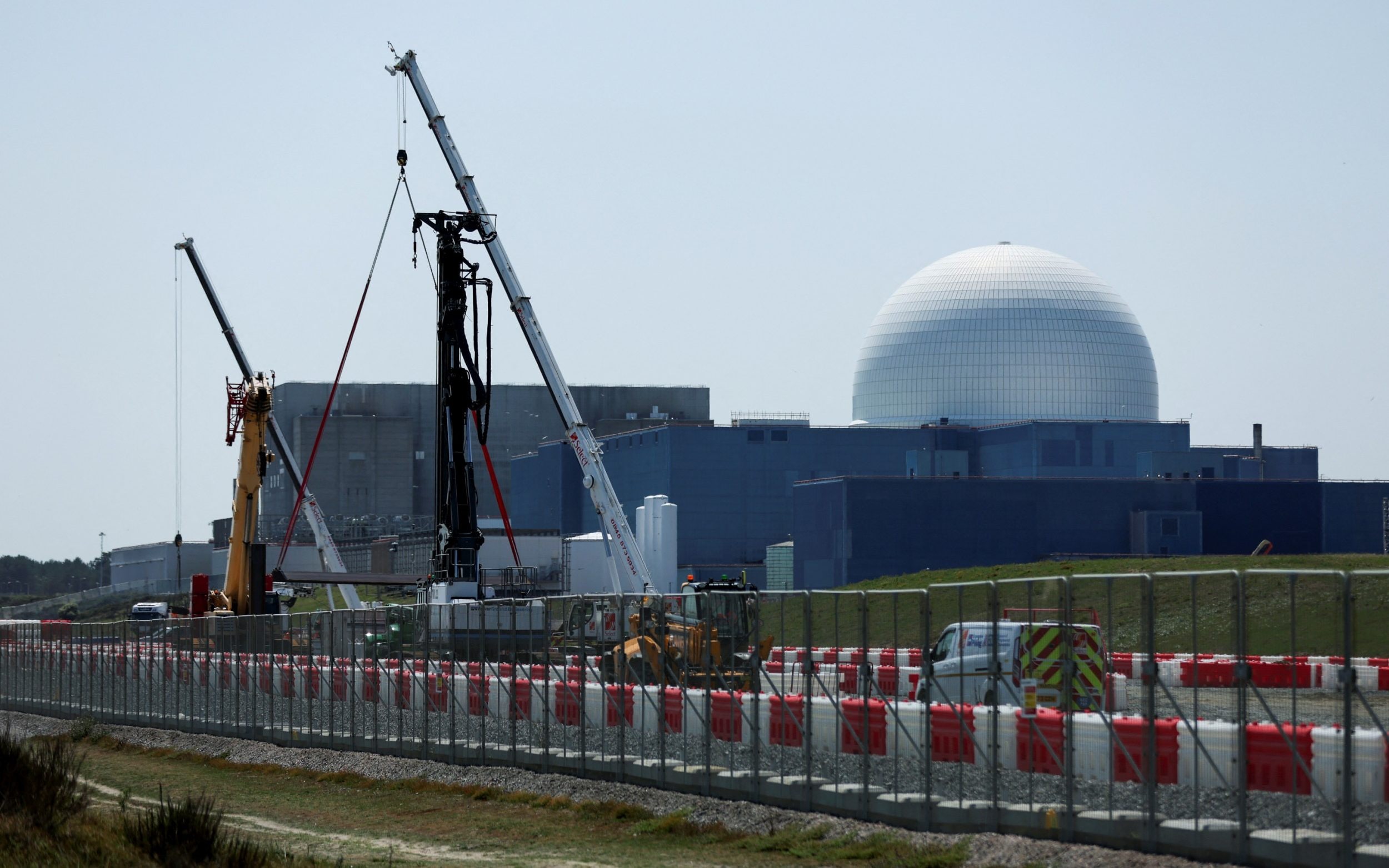
Building work at the Sizewell C nuclear power plant - Reuters/Chris Radburn
Britain’s planned Sizewell C nuclear power station will hit consumers with 75 years of surging electricity bills, MPs have warned.
A critical report from the public accounts committee criticised Ed Miliband’s funding arrangements for the plant as a “terrible deal” for households and businesses.
Sizewell C is under construction on the Suffolk coast with completion due in 2039.
But the financing of the plant, which was signed off last year by Mr Miliband, then energy secretary, will dump eye-watering liabilities on to the public while investors receive guaranteed returns of up to 13pc, the committee said.
Over the 15 years of construction and minimum 60 years of operation, Sizewell C will cost consumers £136.5bn. Meanwhile payouts to investors and debt providers will total nearly £120bn, the committee warned.
Sir Geoffrey Clifton-Brown, the committee chairman, said: “The high level of risk borne by taxpayers and consumers for the construction of Sizewell C is extraordinary.
“Private investors look set for significant returns on their investments, while customers are likely to be saddled with higher energy bills.”
Sizewell C is being financed under a novel system that guarantees investors a minimum return underwritten by levies on power bills.
Under Mr Miliband’s deal, the Government provided £40bn towards total construction costs estimated at up to £48bn.
A consortium of private companies invested around £10bn, but they have been given a 55.1pc majority equity stake while the Government holds only 44.9pc.
The consortium is led by Canadian institutional investor CDPQ, along with British Gas parent Centrica, the French state energy giant EDF and Amber Infrastructure Group.
Advertisement
The report warns that the risks stem from the basic design of the reactors as well as the financing.
It said: “Sizewell C is a high-risk mega project. No comparable nuclear power station anywhere in the world has been built on time and to budget. Sizewell C is being built using a design previously used in France, Finland, China, and in the UK at Hinkley Point C.
“But it has a poor international delivery record, with a clear pattern of delays and cost escalations ... Projects using the same reactor design have experienced delays of up to 14 years and substantial cost overruns.”
It warns that in the likely event of such overruns consumers will have to shoulder nearly 99.9pc of the cost.
When that happens, it warns, for every extra £1 contributed by private investors £727 will be added to household and business power bills.
Prof Simon Taylor, of Cambridge University’s Judge Business School, said: “Anyone who promised that a nuclear renaissance would cut customers’ bills was, at best, naive.
“The case for nuclear power is as part of a wider portfolio of energy assets because it’s a reliable and independent source of low carbon electricity. But nobody should have expected it to be anything but expensive.”
Nigel Cann, the chief executive of Sizewell C, defended the project, saying it would boost energy independence, and eventually cut bills: “Recent energy price shocks have exposed the risks of being overly reliant on imported fossil fuels. That is exactly why Britain needs new nuclear.”
He added that the very similar power station under construction at Hinkley Point in Somerset meant there was far less risk of excessive costs or delays.
“Sizewell C is not starting from scratch – as a replica design, we are better prepared than any other project in modern nuclear history.
“It means we’re building on a proven design, a skilled workforce, and an experienced supply chain, drawing on years of practical experience to improve productivity and reduce risk.”
A Department for Energy Security and Net Zero spokesperson claimed that once operational, Sizewell C “could save £2bn a year across the energy system,” adding: “We need to build new nuclear to move the country off expensive fossil fuels and onto clean, home-grown energy we control.”
Source: “AOL Money”
