


Swiss tourist jailed for being out on beach and calling Bali’s sacred day of silence ‘crazy’
Swiss tourist jailed for being out on beach and calling Bali’s sacred day of silence ‘crazy’

Stuti Mishra Fri, August 21, 2026 at 7:40 AM UTC
4
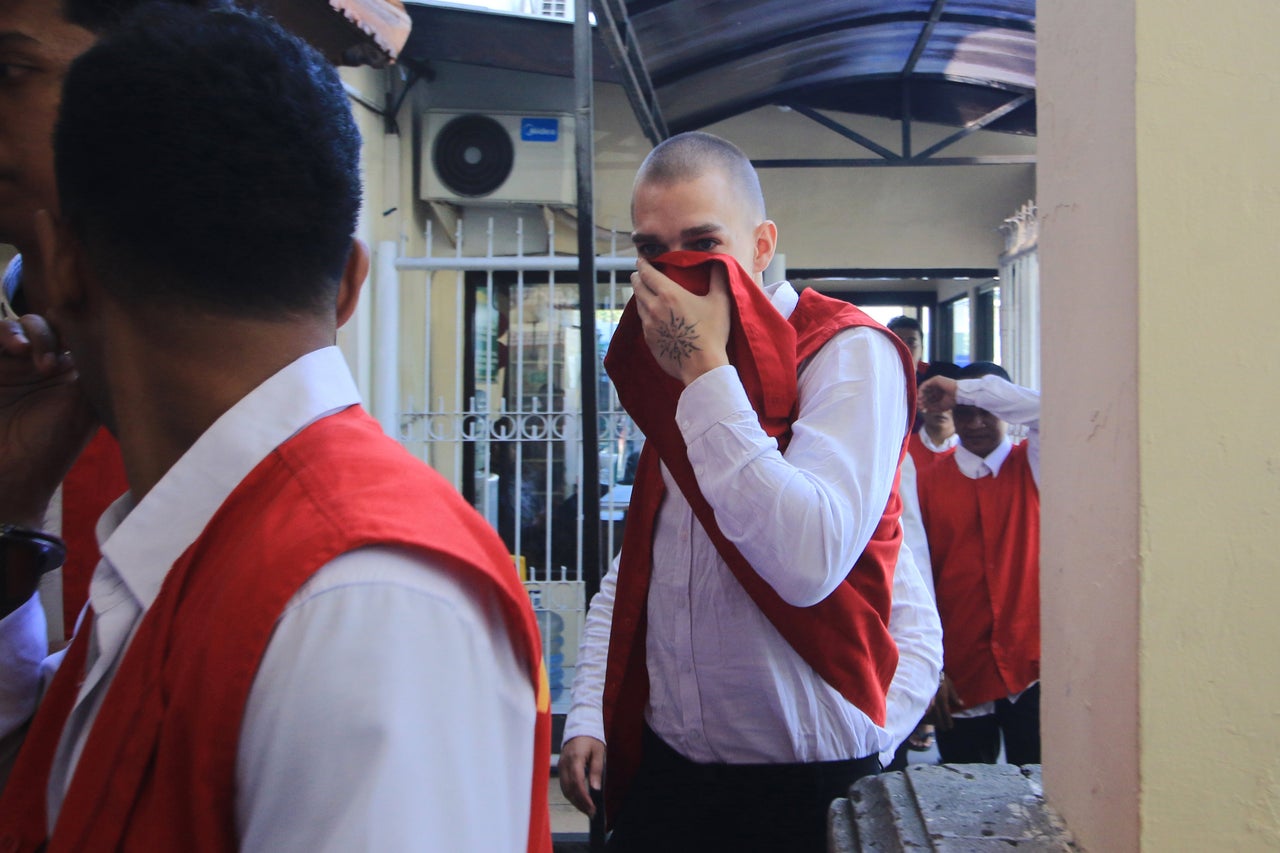
A Swiss tourist has been sentenced to a year in prison in Bali for posting videos boasting that he had broken the rules of Nyepi, the Balinese day of silence, and calling the tradition crazy.
Luzian Andrin Zgraggen, 26, was convicted at the Denpasar district court on Thursday of insulting a religious observance under Indonesia's new criminal code. The court found he had made the posts after staff at the villa where he was staying explained the restrictions to him.
"What the defendant did offended the Balinese people, hurt their faith and provoked public outrage," said presiding judge, Tjokorda Putra Budi Pastima, according to the . "The defendant must be held accountable for his actions."
Nyepi, marking the Balinese new year, fell on 19 March this year.
To observe the day, nobody leaves their home or accommodation for 24 hours, except in an emergency. The beaches and streets remain empty apart from patrols enforcing the silence. The island's airport closes and the internet is switched off.
Entertainment is restricted, even the use of electricity is discouraged, and residents stock up on food beforehand so they can stay indoors. The rules apply to everyone on the island whatever their religion or nationality.
Advertisement
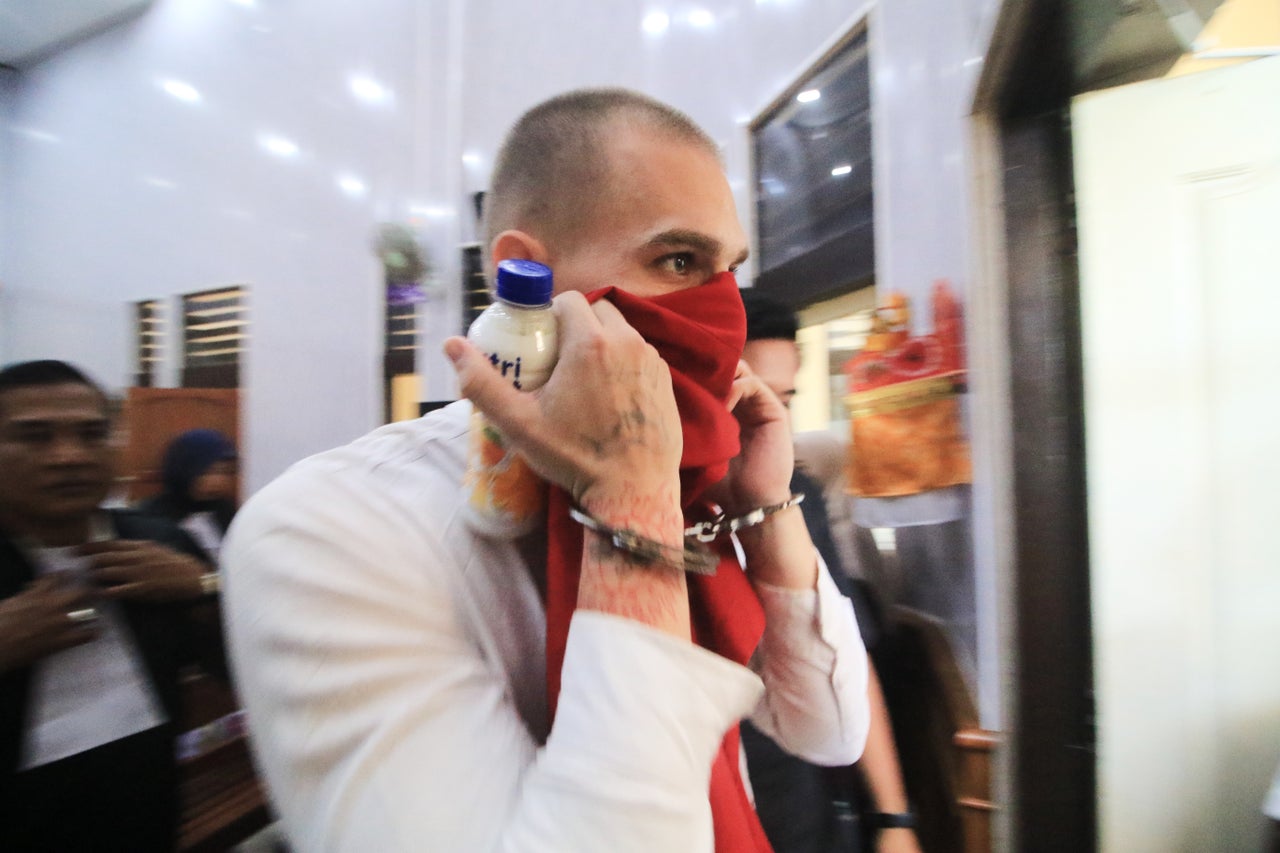
Swiss tourist Luzian Andrin Zgraggen who is accused of insulting the Balinese Hinduism's sacred Day of Silence in social media posts, covers his face as he leaves the courtroom after his sentencing hearing at the district court in Denpasar, Bali, Indonesia (AP)
Mr Zgraggen filmed himself walking to an empty beach during the observance, smiling at the camera, and in one clip called the scene crazy while swearing in the caption. The video, since removed, was widely reshared and drew anger from Balinese residents. Police traced him after public complaints and arrested him in March at a villa in Legian, a tourist area near Kuta beach.
He told the court, in a trial that began in June, that he had never meant to insult the holiday or the Balinese people, and that he made the posts while hungry and frustrated at being unable to get food during the shutdown, without fully understanding how far the restrictions went.
"I deeply regret what I did, I apologise to the Balinese people," he said in his defence plea, according to AP.
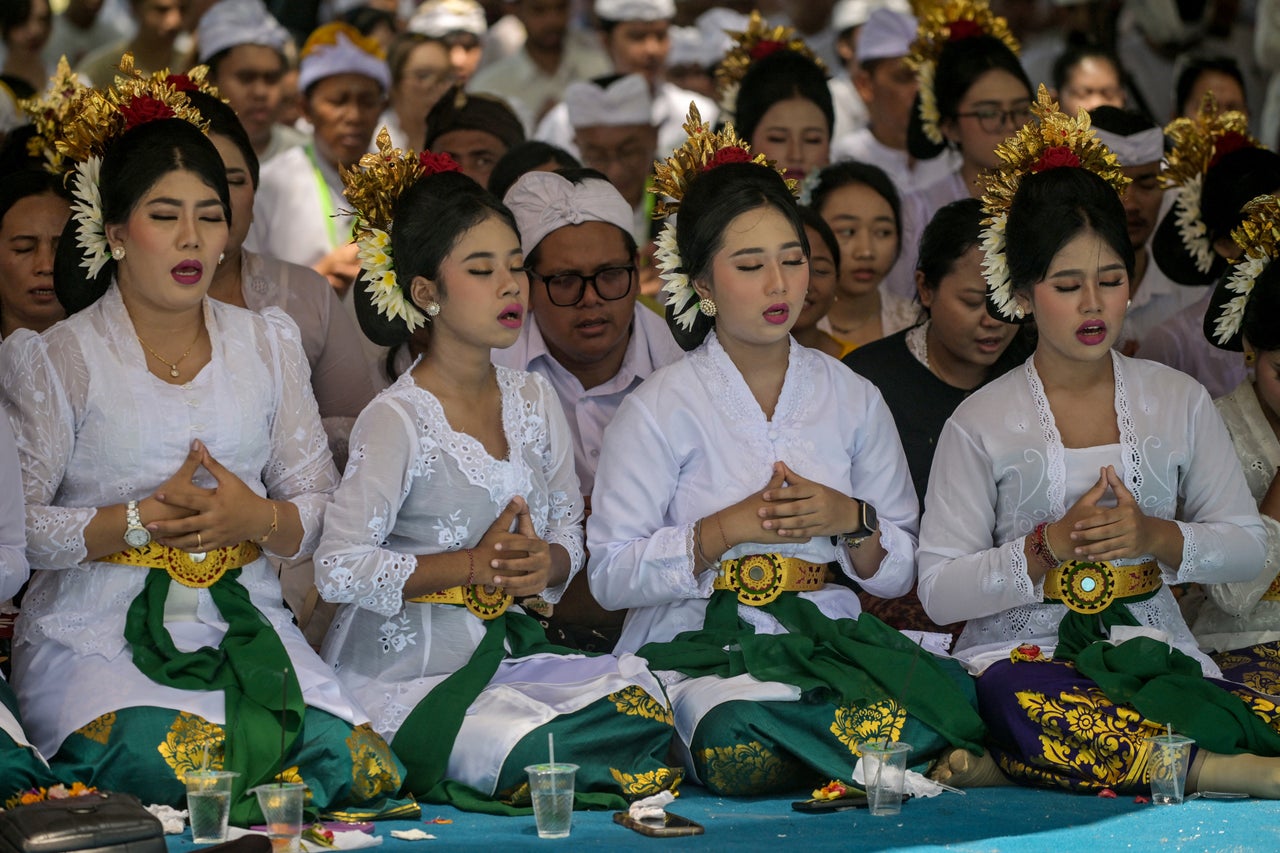
Hindu devotees pray during the Melasti ceremony prayer at Kenjeran beach in Surabaya on March 14, 2026. Melasti is a purification festival which is held several days before "Nyepi", the day of silence, when Hindu devotees are not allowed to work, travel or take part in any indulgence (AFP/Getty)
Tourists, both foreign and Indonesian, have been detained or deported before for going outside during Nyepi, but those cases were generally settled without prosecution.
Bali received a record seven million foreign visitors last year, well above its pre-pandemic numbers, and the return of mass tourism has brought complaints from residents about the behaviour of some of them. Foreigners have been penalised for offensive acts at religious sites, for flouting traffic laws and for setting up enclaves that exclude locals, and the authorities have promised tighter scrutiny of visitors and a crackdown on those who misbehave.
Bali is a predominantly Hindu island in Indonesia, which has the largest Muslim population of any country.
Source: “AOL Breaking”
