


Netflix Turns Tyra Banks’ Own ‘ANTM’ Editing Experience Against Her in Bid to Toss Lawsuit
Netflix Turns Tyra Banks’ Own ‘ANTM’ Editing Experience Against Her in Bid to Toss Lawsuit

Neda MarkovicSat, August 15, 2026 at 10:00 PM UTC
0
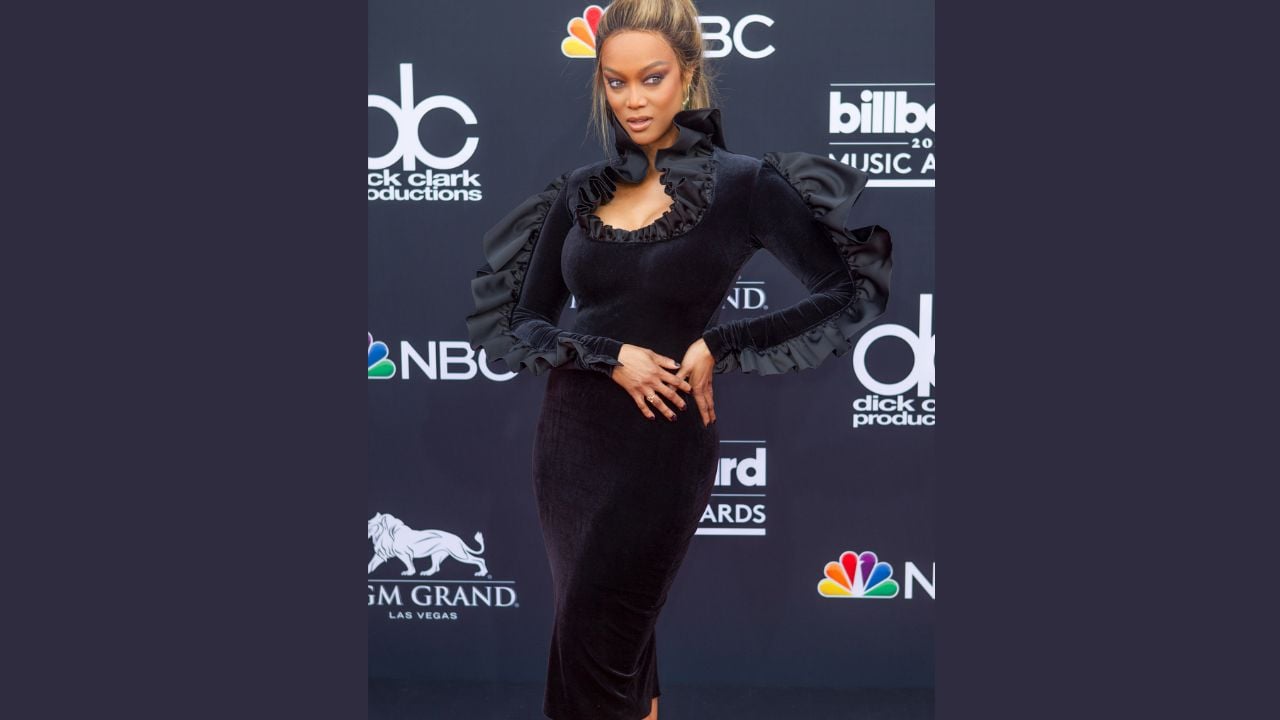
Image Credit: Jamie Lamor Thompson / Shutterstock.
Netflix is pushing back hard against Tyra Banks' lawsuit over Reality Check: Inside America's Next Top Model, arguing that her objections to the documentary's editing do not amount to actionable defamation.
In a new motion detailed by TheWrap, the defendants point directly to Banks' own history as the creator and executive producer of America's Next Top Model, where she spent years working within a television format built around selecting, omitting and arranging footage into narratives.
The response comes two months after Banks sued over her portrayal in the three-part Netflix series. She alleges that producers selectively edited a three-and-a-half-hour interview down to about 16 minutes, removed important context and created implications about her conduct that she says were false.
Netflix and EverWonder Studio have now filed an anti-SLAPP motion and a motion to dismiss. Netflix also issued a public statement standing behind directors Daniel Sivan and Mor Loushy and saying Banks was given an opportunity to discuss her experience openly.
Netflix Says Banks Understands How Editing Works
One of the defendants' central arguments is that documentary subjects cannot turn disagreements over editorial choices into defamation cases simply because they would have preferred different footage to appear. As ABC News reported, the filing argues that courts should not second-guess editorial judgments merely because an interview subject dislikes the choices filmmakers made.
The motion then turns Banks' own television career into part of that defense. "Banks understands editorial discretion," the filing says, pointing to her work creating, hosting and executive producing ANTM. Banks hosted the show's first 22 cycles, sat out Cycle 23 when Rita Ora took over, and returned as host for the 24th and final cycle.
The defendants argue that Reality Check simply subjected Banks and the show she created to the kind of editorial scrutiny familiar to anyone who works in unscripted television. Their position is that disagreement with the resulting portrayal does not, by itself, make that portrayal defamatory.
The Shandi Sullivan Edit Remains at the Center of the Fight
One of Banks' most significant complaints concerns former contestant Shandi Sullivan and a sexual encounter during Cycle 2 that Sullivan now describes as sexual assault. Banks says she was not told before or during her documentary interview that Sullivan had come to characterize the incident that way.
Her lawsuit focuses partly on how the first episode ends. Banks is asked whether she remembers Sullivan, looks upward and says "Um" before the screen cuts to the credits. According to PEOPLE's review of Banks' complaint, she argues that the edit created a cliffhanger suggesting she could not remember the woman or the incident.
Advertisement
Netflix's new motion attacks that interpretation by pointing to what happens when the documentary resumes. At the beginning of Episode 2, viewers hear Banks say, "I do remember her story." The defendants argue that a documentary that expressly shows Banks remembering Sullivan cannot reasonably be interpreted as falsely asserting that she forgot her.
Banks' position is different. Her complaint alleges that separating the question from her answer and using the hesitation as an episode-ending cliffhanger created a false implication before viewers were given the fuller response. Her lawsuit goes further, alleging that the documentary constructed a narrative suggesting she knowingly allowed a contestant to be sexually assaulted, exploited the incident for ratings and later failed to remember what happened.
Banks Says Her Interview Was Manipulated; Netflix Points to Her Agreement
Banks also alleges that substantial portions of her interview in which she accepted responsibility for controversial ANTM decisions were omitted. She says producers gathered accusations and accounts from other participants before interviewing her but did not disclose some of those claims during her interview, leaving her without an opportunity to respond on camera.
Netflix's side points to the participation agreement Banks signed. According to TheWrap, the defendants argue that Banks relinquished creative control over the documentary and therefore could not dictate which portions of her interview would appear or how the filmmakers would structure the finished series.
The Lawsuit Includes More Than Defamation Claims
Banks accused directors Loushy and Sivan and production company EverWonder Studio of false light and two counts of defamation by implication. She separately alleges that EverWonder breached its agreement with her. Netflix and Netflix Music are defendants on a false-endorsement claim involving the use of Banks' image in connection with the documentary's soundtrack.
EverWonder is also named in that claim. Banks is seeking damages in amounts to be determined at trial and has requested a jury. Her false-endorsement claim also seeks relief connected to the use of her likeness on the soundtrack artwork.
The new defense filing seeks to strike Banks' first four causes of action under California's anti-SLAPP law and also asks the federal court to dismiss the case. The defendants argue that Banks cannot demonstrate the probability of prevailing required to keep her state-law claims alive because, in their view, the documentary does not reasonably communicate the defamatory implications she alleges.
Banks’ Lawyers Say Netflix Is Missing the Point
In a statement to TheWrap, attorneys Tom Clare and Clare Locke rejected Netflix's characterization of the case as simple dissatisfaction with editing. They said the question is whether a documentary presented as factual materially distorted Banks' words and the underlying events, not whether filmmakers generally have a right to make editorial decisions.
Her lawyers also challenged Netflix to release Banks' complete unedited interview so viewers could compare it with what appeared in Reality Check. Netflix, meanwhile, said directors Sivan and Loushy thoroughly interviewed people involved with ANTM, fairly presented Banks' perspective and will continue defending the series.
Banks filed the case June 13 in the U.S. District Court for the Central District of California as Banks v. Netflix Worldwide Entertainment, LLC et al., No. 2:26-cv-06467. The defendants' notice seeks an Oct. 30 hearing on the anti-SLAPP and dismissal motions.
Source: “AOL Entertainment”
