


How meeting 6 times a year instead of 8 could arm the Fed with more data
How meeting 6 times a year instead of 8 could arm the Fed with more data

Jennifer SchonbergerFri, October 16, 2026 at 6:05 PM UTC
0
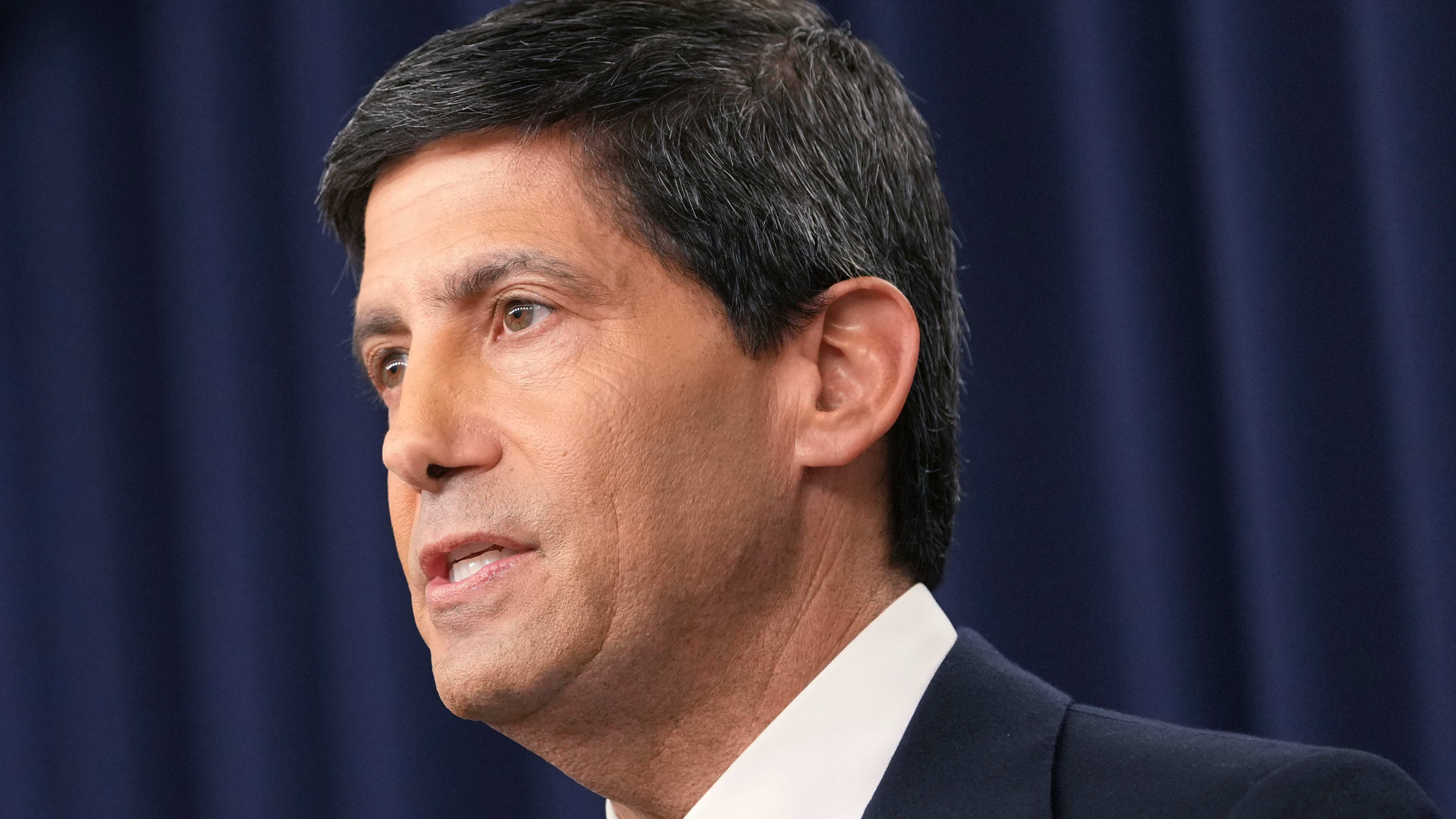
Federal Reserve Chairman Kevin Warsh speaks during a news conference at the Federal Reserve in Washington, D.C., on Sept. 16, 2026. (AP Photo/Mark Schiefelbein)The Personal Consumption Expenditures (PCE) index will be released the day after the Fed meets this month.
Federal Reserve officials will walk into their policy meeting in a week and a half without a key inflation data point to inform their interest rate decision.
The Personal Consumption Expenditures (PCE) index will be released on Oct. 29, the day after the Fed meets. While they can use pieces of other inflation datasets to estimate this measure, one analyst points out that if the central bank met every eight weeks instead of the current six, it would have a fuller set of data available at each meeting, enabling more informed decisions.
"The current calendar has clear drawbacks," Deutsche Bank chief US economist Matt Luzzetti said. "The Fed could meaningfully improve the timeliness of the data available to them at FOMC meetings with relatively simple tweaks to the calendar."
Right now, the calendar doesn't account for when key data is released, often leaving the Fed with relatively stale data at each meeting. Not having key inflation data until a day after its meeting happens regularly. The PCE index was released within days after the April and July meetings as well. The December meeting will take place the day before the November Consumer Price Index report is released.
Fed Chairman Kevin Warsh suggested to the rest of the committee in July that a reduced cadence of six scheduled meetings per year, held roughly every two months, would allow more information to accumulate between meetings and give policymakers more time to consider how to set rates. Warsh asked for input from the rest of the Fed, and no decisions were made regarding possible changes to the meeting schedule.
Read more: The Fed still has little control over the 2 biggest inflation drivers
Meeting every eight weeks would push their next meeting from Oct. 28 to the middle of November, giving officials a full set of inflation data — and more — and would fall after the midterm elections, avoiding the optics of political influence.
"When considering a six-meeting schedule, the relevant question is whether the Fed would be willing to trade two additional weeks between meetings to have data available that is 30% timelier," Luzzetti said.
Luzzetti thinks the Fed should consider maximizing key data like payroll and inflation reports while also allowing enough time between the release and the meeting to fully incorporate the news. He also suggested the Fed could introduce a set of economic projections with each meeting, standardizing the information set across meetings rather than simply quarterly. In addition, he said it could be beneficial to shorten the pre-meeting blackout period to allow officials to comment publicly between data releases and the meeting.
"This could avoid the communication challenges that have arisen from the release of pivotal economic data during the blackout," he said.
Read more: How the Fed rate decision affects your bank accounts, loans, credit cards, and investments
Ahead of the Oct. 28 meeting, some Fed officials have telegraphed that, despite hot inflation reports, they would like to take time to review the data as they consider the prospect of further rate hikes.
Advertisement
Chicago Fed president Austan Goolsbee told Yahoo Finance on Wednesday that hotter-than-expected September consumer inflation was "discouraging" but suggested that he wants to wait for more data before further raising interest rates. He said core inflation remaining as high as it is now would be neither "acceptable" nor "compatible with the Fed target, and our policy needs to address that."
Earlier this month, Fed Vice Chair Philip Jefferson and New York Fed president John Williams tempered expectations for a rate hike in October. Both acknowledged that inflation has remained too high, but said the central bank should take time to watch and assess whether inflation will come down in a timely manner.
The minutes from the September meeting read that most participants assessed that another increase in the target range for the federal funds rate would likely be appropriate by year-end.
In an appearance this week, Warsh did not tip his hand. Speaking at the IMF/World Bank semiannual meetings in Thailand, he neither endorsed nor pushed back on his colleagues' recent signals that they'd like to wait to see more data before raising interest rates this month.
"I don't prejudge meetings. I don't believe in saying now what I might do at the meetings we have in the balance of this year," Warsh said.
Markets are pricing in just a 17% chance the Fed raises rates this month, but a nearly 75% chance of a December hike.
The latest price data showed inflation heating back up. The Consumer Price Index rose 3.7% in September, up from 3.4% in August. Stripping out volatile food and energy prices — the way the Fed likes to scrutinize underlying inflation — CPI rose 0.3% month over month, compared with expectations for 0.2%, holding the same level as August. The year-over-year rate was 2.6%, up from 2.4% in August. Wholesale prices in September rose more than 6% to their highest level in nearly four years, largely propelled by higher energy prices.
Officials won't have the key PCE data, but they can back into the estimates using CPI and wholesale price data.
Stephen Brown, an economist at Capital Economics, estimates that core PCE rose 0.35% in September.
RSM chief economist Joe Brusuelas estimates headline PCE to increase 0.5% on the month and 3.6% from one year ago. He also expected the core reading to be up 0.3% in September, resulting in a 3.1% annual reading. The Fed's target is 2% inflation.
Jennifer Schonberger is a veteran financial journalist covering markets, the economy, and investing. At Yahoo Finance, she covers the Federal Reserve, Congress, the White House, the Treasury, the SEC, the economy, cryptocurrencies, and the intersection of Washington policy with finance. Follow her on X @Jenniferisms and on Instagram.
Click here for the latest economic news and indicators to help inform your investing decisions
Read the latest financial and business news from Yahoo Finance
Source: “AOL Money”
